
News
Congress of Protected Areas in Africa
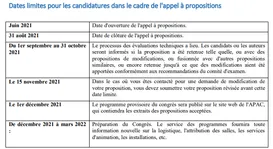
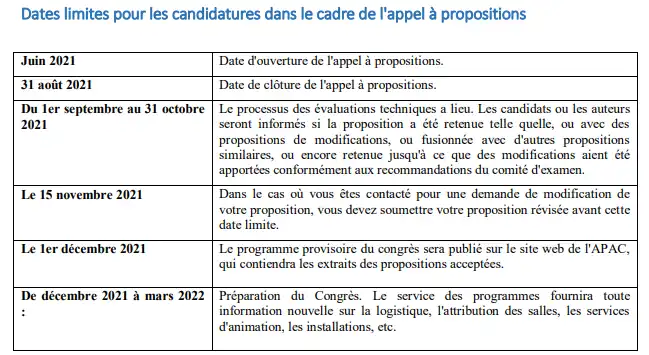
APAC from 7 to 12 March 2022 Call for Proposals from APAC - Presentation and instructions The organizers of the African Congress on Protected Areas (APAC) welcome you to the first-ever African Congress on Protected Areas to be held in Kigali from 7 to 12 March 2022 and ask for your active participation in the many activities that will take place before and during the congress. APAC aims to improve the conditions for environmental protection in Africa by engaging governments, the private sector, civil society, indigenous peoples and local communities, as well as academia, to define Africa's priorities for protected and conserved areas and to better benefit people and nature. Participants will discuss the importance of protected and conserved areas for the development of Africa, its inhabitants and nature, addressing major challenges such as a) the importance of effective and well-managed protected and conserved areas and biodiversity in addressing the multiple challenges that Africa faces, including climate change, pandemics and financial sustainability, b) the role of local populations in the management of protected and conserved areas for the benefit of Africa. of people and nature, and c) the solutions to harmonize conservation and human development within the framework of the African Union's 2063 vision. APAC 2022 will bring together political and community leaders, protected area practitioners, professionals from various fields, academics, researchers, youth, women, academics, and public and private sector stakeholders from across the continent, with the aim of positioning Africa's protected and conserved areas within the framework of the broader goals of sustainable development and community well-being. This meeting will take place virtually and in person. This historic forum will be a platform for candid discussions about the future we want for our protected and conserved areas and for seeking solutions to recurring and emerging issues. Africa has lost over 50% of its ecosystems in the last 50 years, a rate far greater than in any other period in history. The direct and indirect drivers of biodiversity loss lead to an unsustainable future for our people and the planet as a whole, putting our shared future at risk. Africa faces ongoing challenges and threats to our survival that have been exacerbated by the destruction of our ecosystems. These challenges include climate change, unsustainable consumption patterns, land use conversion, increased human population, and the degradation and destruction of our environment. These problems, compounded by the COVID19 pandemic, have also highlighted the fragility of our financial models. Practical, local, ecologically sensitive and socially and politically acceptable solutions must be agreed upon and decisive action taken. This call for proposals is designed to elicit proposals from interested groups across Africa that focus on the cross-cutting goals, streams, and themes of APAC. For more details on ICCA, please see the document entitled “Protected Areas in Africa for People and Nature: The ICCA Content Relating to Crosscutting 2 Components and Themes” which can be viewed and downloaded on the APAC website (soon finalized and online). Before completing your application, please review this document. This call for proposals is open to anyone who wants to contribute to the success of APAC. APAC will focus on applications from Africa and applications can be submitted in English, French, Portuguese, and Arabic. We encourage applications from governmental and parastatal agencies, regional bodies, regional bodies, non-governmental organizations, non-governmental organizations, international organizations, community organizations, youth organizations and networks, organizations and networks representing indigenous peoples and local communities, as well as the private sector and businesses.
Published on
2022 Apr 21Countries

Rwanda