Protected Area
Exploratory study report on protected areas in Côte d'Ivoire
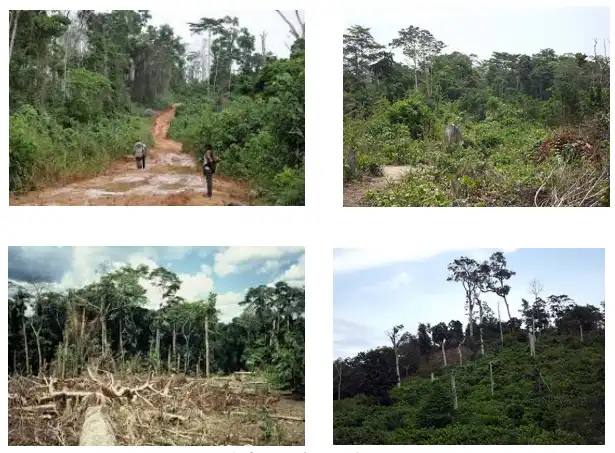
The National Human Rights Commission of Côte d'Ivoire (CNDHCI), within the framework of the mandate conferred on it by Law No. 2012-1132 of 13 December 2012, which establishes it, has the missions of ensuring the promotion, protection and defense of Human Rights. In this perspective, in the face of climate change and environmental degradation, the CNDHCI decided to look at forest resources called protected areas and to make a link with Human Rights. Indeed, man needs to live in favorable living conditions on earth, for his full development. Target 15 of the Sustainable Development Goals (SDGs) in fact suggests that states “sustainably manage forests, combat desertification, stop and reverse the process of land degradation and stop the loss of biodiversity”. In Côte d'Ivoire, according to Law No. 2014-427 of 17 July 2014 on the new forest code, sustainable forest management “takes into account the forest resource needs of current and future generations while maintaining forest functions”. It aims at the optimal valorization of resources and the preservation of biodiversity. To do this, all means must be used to respect Human Rights, based on the good management of forest resources. This study is in line with the vision of the CNDHCI to immerse itself in the human rights situation in relation to resources and biodiversity, to assess the actions taken to preserve forest cover. The study was conducted by the Central Commission, in conjunction with six (6) of its Regional Commissions, over the period from November to December 2017. It emerged from this study that forest cover, in the areas visited, is in strong danger of destruction, due to the actions of humans and populations. Therefore, measures must be taken to prevent the disappearance of these areas. At the end of this study, this report was produced. The CNDHCI would like to thank all the people who participated in the data collection, in particular the managers of structures on the ground, the Administrative and traditional Authorities, as well as members of Civil Society Organizations (NGOs, community leaders, religious leaders).
Published on
2022 Apr 22Countries

Côte d'Ivoire