Document
Document
File Name
2020_Mévanly et al._IOSR JPBS 2.pdfFile Type
PDF DocumentFile Size
968 kBCreated Date
2022 Jun 28Updated Date
2022 Jun 28Economic evaluation of some ecosystem services provided by a wetland subject to anthropogenic pressures, the Assinie navigation channel (Côte d'Ivoire)
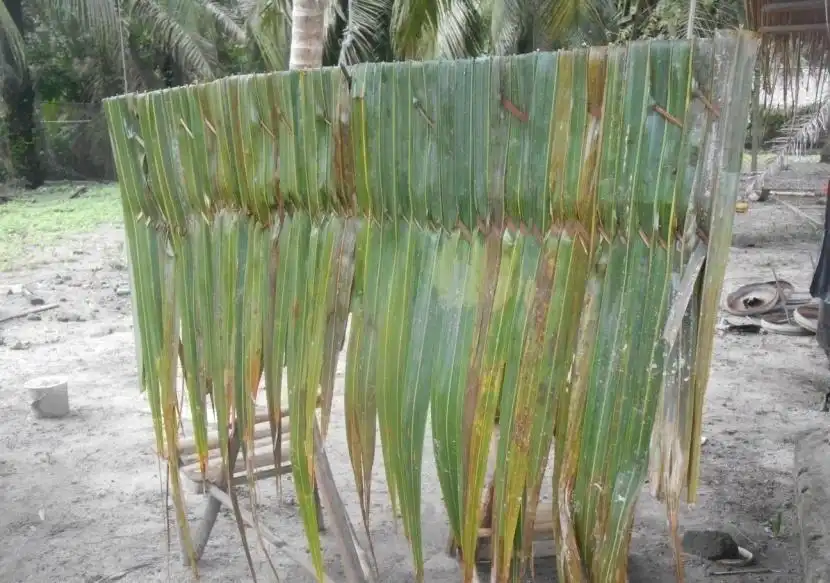
Assessing the ecosystem services provided by wetlands is necessary to justify the preservation of these ecosystems. The general objective of this study is to analyze the socio-economic importance of the Assinie Canal. To carry out the study, a survey was carried out in three coastal localities, among raffia palm cutters, fishermen and local populations engaged in other activities. The profile of the respondents and the percentages of responses relating to the characterization of the services provided by ecosystems were analyzed through histograms. The probable average monthly income (RMM) of the respondents was also analyzed. Analysis of the data collected revealed that the canal and its shoreline strip composed of, among others, raphiales and riparian thickets contribute to the well-being of local populations through the supply of fish, raffia palms, firewood and service. Fishing in the canal can generate an average monthly income of between 59,375 and 92,750 CFA francs for a fisherman. The sale of leaflets woven from raffia palms, called “papo” in the local language, can generate an average monthly income of between 29,480 and 39,915 CFA francs for an operator. This income is largely used to feed village communities. Unfortunately, the well-being of these populations is greatly reduced by human pressures that deplete these resources. To this end, it is becoming urgent to put in place a strategy for the sustainable management of the canal and its shoreline by integrating the needs of local populations.